
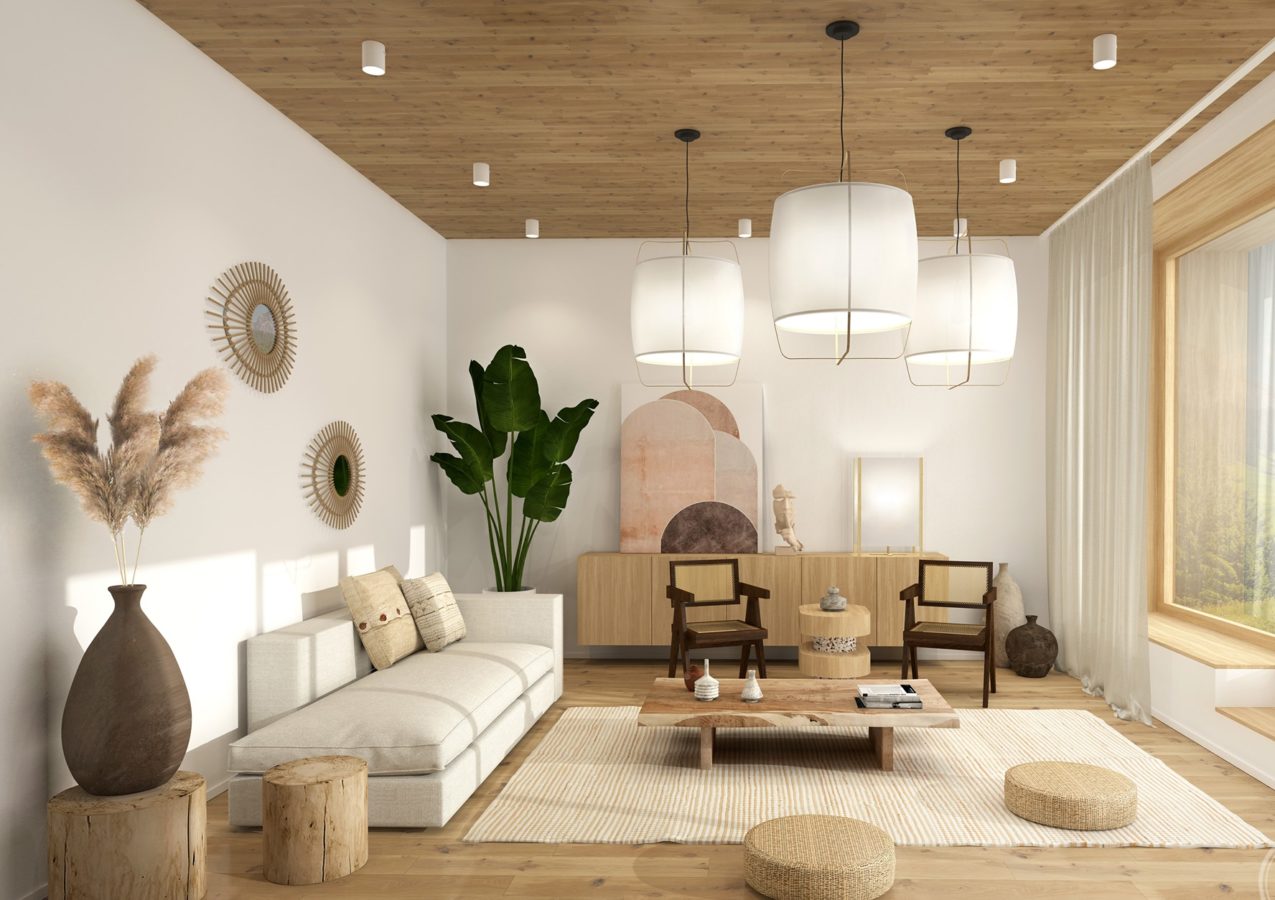

The intersection of Scandinavian functionality and Japanese rustic minimalism has created one of the most enduring design movements of the modern era. Known as Japandi, this aesthetic offers a thoughtful blend of warmth, simplicity, and clean lines. Rather than serving as a trend that will fade with changing seasons, Japandi represents a deliberate lifestyle choice centered around intentional living, natural materials, and quiet craftsmanship.
Homes designed in the Japandi style feel uncluttered without feeling stark or clinical. By understanding the foundational principles, material choices, color palettes, and structural elements of this design movement, homeowners can transform living spaces into peaceful sanctuaries that balance comfort with elegance.
Understanding the Roots of Japandi Design
To successfully execute Japandi design, one must understand the two distinct philosophical frameworks that converge within it: Scandinavian Hygge and Japanese Wabi-Sabi.
Scandinavia brings the ethos of Hygge, which emphasizes comfort, warmth, and cozy sanctuary living. It focuses on functional design, bright and open interior spaces, and tactile fabrics that invite relaxation during cold winter months.
Japan introduces the aesthetic philosophy of Wabi-Sabi, which centers on finding beauty in imperfection, natural weathering, and simplicity. It values artisanal craftsmanship, organic shapes, and a deep, intuitive connection to nature.
When these two philosophies merge, the resulting style remedies the potential drawbacks of each individual look. Pure Scandinavian design can occasionally lean too bright, cool, or starkly modern, while traditional Japanese interiors can sometimes feel overly austere or structured for modern Western living. Japandi seamlessly bridges this gap by grounding Scandinavian warmth with Japanese organic depth.
Core Characteristics of Japandi Interior Design
Achieving a true Japandi look requires a careful balance of specific design pillars. Each element works in harmony to ensure spaces feel curated rather than manufactured.
-
Minimalism with Purpose: Every piece of furniture and decor item must serve a functional purpose or possess genuine emotional value. Visual clutter is eliminated to allow the mind to relax.
-
Low Profile Furniture: Grounded seating, low bed frames, and low coffee tables anchor the eyes closer to the floor, encouraging a feeling of stability and spatial openness.
-
Warm and Neutral Color Palettes: The style relies heavily on soft earth tones, off-whites, muted tans, warm greys, and gentle charcoal accents rather than stark high-contrast whites or bright primary shades.
-
Tactile and Raw Textures: Smooth ceramics, unvarnished woods, linen textiles, woven jute, and textured plaster walls create visual depth without relying on busy wallpaper patterns.
-
Biophilic Connections: Integrating living elements such as single branches in stoneware vases or sculptural indoor plants bridges indoor spaces with the natural world outside.
The Ideal Japandi Color Palette
Color plays a vital role in establishing the soothing, serene atmosphere that defines Japandi interiors. The goal is to build a cohesive palette that feels grounded, warm, and deeply relaxing.
Primary Base Colors
The background layers of a Japandi room rely on quiet neutrals that reflect light softly. Instead of crisp hospital whites, walls and large structural surfaces utilize creamy off-whites, soft bone, oatmeal, and gentle beige. These hues absorb harsh sunlight and distribute a warm, ambient glow across the room.
Grounding Earth Tones
Mid-tone shades introduce warmth and dimension to cabinet fronts, rugs, and soft furnishings. Muted terra cotta, soft clay, sage green, warm taupe, and sandy brown add natural character while maintaining a sense of visual calm.
High-Contrast Accent Hues
While Scandinavian interiors often lean toward pale, light woods exclusively, Japandi incorporates deeper tones borrowed from traditional Japanese architecture. Dark walnut, charred cedar, rich charcoal, and deep indigo are used sparingly as accent points for window frames, light fixtures, side tables, or structural beams to give the space weight and authority.
Material Selection and Craftsmanship
Materials in a Japandi home should feel authentic, organic, and built to withstand decades of daily use. Synthetic plastics and high-gloss finishes are eschewed in favor of unrefined materials that age gracefully over time.
Natural Wood Species
Wood forms the structural core of Japandi design. The style thoughtfully combines light-toned Scandinavian woods like ash, white oak, and beech with darker Japanese timber tones like walnut and teak. Mixing wood tones is highly encouraged, provided they share similar undertones and natural grain structures.
Natural Textiles and Upholstery
Furnishings feature breathable, durable, and highly tactile fabrics. Linen, unbleached cotton, wool, bouclé, and natural leather are preferred choices. Upholstery should appear relaxed and inviting rather than overly structured or shiny.
Stoneware, Clay, and Ceramics
Decorative accents prioritize handmade stoneware, matte ceramics, and unpolished marble or travertine. Minor surface variations, rough textures, and asymmetrical shapes celebrate the artisan mark, honoring the principles of Wabi-Sabi.
Room-by-Room Japandi Styling Guide
Implementing Japandi design across different rooms requires adapting its core principles to the specific functional demands of each individual living space.
The Japandi Living Room
Start with a low-slung sofa featuring clean lines and warm beige or light grey linen upholstery. Pair it with an organic wooden coffee table and a neutral wool or jute area rug. Keep media consoles minimal, hiding electronics behind slatted wood sliding doors. Decorate surfaces sparingly with a single ceramic vase holding dry branches or a low-profile stoneware bowl.
The Japandi Bedroom
Focus on creating an uncluttered sanctuary dedicated to rest. Select a platform bed frame made of solid oak or walnut, made up with washed linen bedding in soft stone or cream tones. Use low-pendant light fixtures with paper or woven rattan shades on either side of the bed instead of bulky lamps. Keep nightstands clear of unnecessary items.
The Japandi Dining Area
Choose a solid wood dining table with rounded edges or a simple trestle base. Combine it with minimalist wooden chairs or woven cane seating. Hang a large paper lantern or drum-style shade low over the center of the table to create an intimate, warm gathering space during evening meals.
The Japandi Kitchen and Bath
In kitchens, opt for flat-panel or subtle shaker cabinet doors in light oak or warm taupe. Pair them with matte stone countertops and simple ceramic tile backsplashes. In bathrooms, emphasize spa-like serenity using floating wooden vanities, matte black or brushed nickel plumbing fixtures, textured stone tiles, and waffle-weave cotton towels.
Frequently Asked Questions
How does Japandi differ from traditional Scandinavian design?
While Scandinavian design focuses heavily on pale woods, bright whites, and cozy textiles to maximize limited winter sunlight, Japandi introduces deeper Japanese earth tones, dark wood accents, handmade ceramics, and a stronger emphasis on raw, unrefined textures.
Can I achieve a Japandi aesthetic in a small apartment?
Yes, Japandi is exceptionally well-suited for compact spaces. Its emphasis on low-profile furniture, uncluttered surfaces, built-in storage solutions, and bright neutral colors visually expands smaller rooms while maintaining functional storage.
How do I incorporate color into a Japandi space without ruining the aesthetic?
Incorporate subtle color through muted, nature-inspired shades rather than saturated or bright tones. Olive green, soft clay, dusty terracotta, and slate blue can be introduced through throw blankets, ceramics, accent pillows, or artwork without disrupting the peaceful atmosphere.
What type of lighting works best in Japandi interiors?
Layered ambient lighting works best. Prioritize paper lantern lights, woven bamboo pendants, matte ceramic table lamps, and hidden warm LED strip lighting under shelving or behind headboards to create a soft, diffused glow.
Is Japandi design high maintenance for families with children or pets?
Japandi can be surprisingly practical for families when durable materials are selected. Performance linen fabrics, stain-resistant natural rugs, and solid hardwood furniture with rounded corners withstand daily wear better than delicate high-gloss or synthetic materials.
How do I select artwork for a Japandi room?
Choose understated, abstract, or nature-focused artwork with minimal color variation. Framed textile art, simple ink line drawings, textured plaster canvases, and subtle black-and-white photography complement the space without creating visual noise.
Can I blend existing modern or mid-century furniture into a Japandi home?
Yes, mid-century modern and contemporary pieces with organic shapes, tapered wooden legs, and clean lines blend effortlessly into a Japandi design scheme when paired with neutral textiles and natural wood elements.

Comments are closed.