
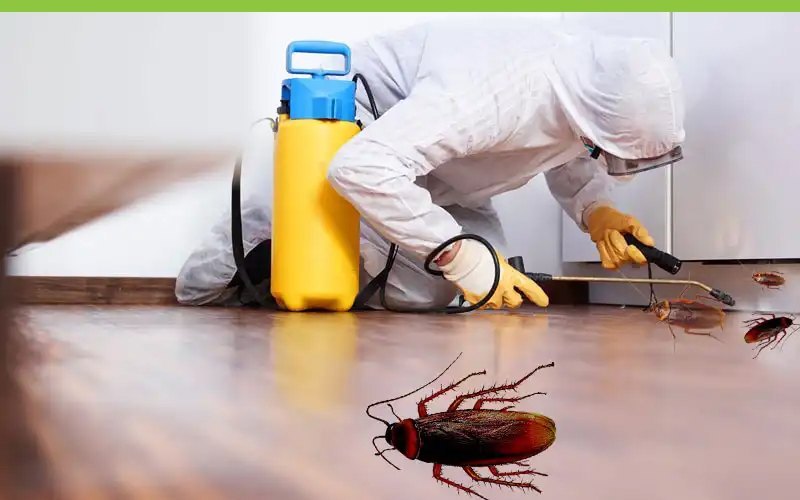

A cockroach infestation is one of the most frustrating and persistent challenges a homeowner or tenant can face. Known for their incredible resilience, rapid reproduction rates, and ability to squeeze into the microscopic crevices of a building, cockroaches have adapted to thrive alongside human habitation. Beyond being a visual nuisance, these nocturnal pests pose genuine health hazards by spreading bacteria, contaminating food supplies, and triggering severe respiratory allergies.
Eradicating cockroaches requires much more than an occasional spray with an aerosol insecticide. Achieving long-term elimination demands an integrated pest management approach that combines accurate species identification, strict sanitation, mechanical exclusion, and targeted chemical or non-chemical controls. This comprehensive guide outlines everything you need to know to eliminate an existing infestation and prevent future populations from taking hold.
Identifying Common Household Cockroach Species
Effective control begins with knowing exactly which type of cockroach has invaded your living space. Different species exhibit distinct behaviors, harborage preferences, and dietary habits, which dictate the specific treatment methods required.
-
German Cockroach: The most common indoor species in residential homes and commercial kitchens. Measuring roughly one-half to five-eighths of an inch long, German cockroaches are tan or light brown with two distinct parallel dark stripes running down the shield behind their heads. They prefer warm, humid environments close to food and water, such as kitchen cabinets, behind refrigerators, and inside bathrooms.
-
American Cockroach: The largest common household species, often reaching one and a half to two inches in length. They are reddish-brown with a yellowish band around the edge of the pronotum. American cockroaches generally prefer dark, damp areas like basements, boiler rooms, crawlspaces, sewers, and drain pipes.
-
Oriental Cockroach: Often called water bugs due to their affinity for wet locations, these dark brown or shiny black roaches grow to about one inch in length. They lack fully developed wings and cannot fly. Oriental cockroaches thrive in cool, moist zones such as basements, floor drains, damp crawlspaces, and outdoor leaf litter.
-
Brown-Banded Cockroach: Measuring about half an inch long, these roaches feature two light-colored transverse bands across their dark brown bodies. Unlike German cockroaches, brown-banded roaches prefer warmer, drier areas at higher elevations, such as upper kitchen cabinets, picture frames, light fixtures, and electronic appliances.
Early Signs of a Cockroach Infestation
Because cockroaches are nocturnal and naturally evasive, an infestation often grows significantly before live insects are spotted during the day. Recognizing subtle early warning signs allows you to intervene before the population surges out of control.
-
Droppings and Smear Marks: Small roaches produce droppings that resemble black pepper granules or coffee grounds, frequently left in cabinet corners, behind appliances, or along baseboards. Larger species leave cylindrical droppings with ridged sides. In damp areas, roaches leave dark, irregular smear marks along wall junctions and floor seams.
-
Egg Capsules (Oothecae): Cockroaches deposit or carry purse-shaped egg cases called oothecae. These hardened leather-like capsules are tan to dark brown and contain dozens of developing embryos. Empty or intact oothecae are often found tucked behind furniture, under sinks, or inside cabinet hinges.
-
Musty, Unpleasant Odor: Cockroaches produce chemical communication signals called aggregation pheromones. As a population grows, these chemicals accumulate, creating an oily, musty odor that lingers in infested rooms and inside storage cabinets.
-
Shed Skins and Exoskeletons: As cockroach nymphs grow, they shed their hard outer skins multiple times before reaching adulthood. Finding translucent, amber-colored exoskeletons in dark corners or drawer tracks indicates active nymph development nearby.
Health Risks Associated with Cockroach Infestations
Cockroaches are far more than an unpleasant aesthetic issue; they are vector organisms capable of transmitting pathogenic microorganisms and triggering chronic health conditions.
-
Pathogen Transmission: As cockroaches forage through sewer lines, garbage cans, and decaying matter, dangerous bacteria attach to their legs and bodies. They subsequently crawl across kitchen countertops, cutting boards, eating utensils, and uncovered food, transferring pathogens such as Salmonella, Escherichia coli, and Staphylococcus aureus.
-
Asthma and Allergen Triggers: Cockroach saliva, droppings, and shed skins contain potent proteins that airborne dust distributes throughout a home. These allergens are a leading cause of chronic allergic reactions and severe asthma attacks, particularly in young children and urban residents.
-
Food Contamination and Spoilage: Beyond bacterial deposition, cockroaches pollute stored dry goods with regurgitated fluids and feces, rendering whole pantries unusable and unsafe for consumption.
Step-by-Step Eradication and Control Strategies
Successful cockroach elimination relies on a multi-pronged strategy. Relying on a single control product rarely destroys a mature colony.
Deep Sanitation and Source Elimination
Chemical treatments fail if roaches have access to abundant food and moisture. Eliminating their survival necessities forces pests to consume bait products.
-
Wipe down kitchen surfaces every evening to clear grease films, crumbs, and liquid spills.
-
Store all dry foods, cereal boxes, pet kibble, and baking supplies in airtight plastic or glass containers with rubber seals.
-
Never leave unwashed dishes standing in the sink overnight.
-
Empty indoor trash cans daily and use bins equipped with tight-fitting lids.
-
Fix dripping faucets, leaking pipe joints, and sweating supply lines beneath sinks immediately to remove water sources.
Professional Gel Baits
Gel baits are widely regarded as the most effective chemical tool against cockroach infestations. These products combine a attractive food matrix with a slow-acting insecticide.
-
Apply tiny, pea-sized dots of gel bait inside cabinet hinges, behind appliances, around pipe penetrations, and along wall tracks where roaches travel.
-
Avoid applying gel bait in large smears or near surfaces treated with repellent spray insecticides, as sprays contaminate the bait and cause roaches to avoid it.
-
The slow-acting formulation allows poisoned roaches to return to their harborage, where other roaches feed on their droppings and carcasses, creating a secondary kill effect throughout the nest.
Insect Growth Regulators (IGRs)
Insect Growth Regulators act as birth control for the cockroach population. Available as spray concentrates, aerosols, or point-source discs, IGRs mimic juvenile hormones in insects. They prevent immature nymphs from molting into fertile adults and sterilize adult females, effectively halting population expansion.
Desiccant Dusts
Boric acid and diatomaceous earth are long-lasting inorganic dusts that destroy a cockroach’s physical biology.
-
Diatomaceous earth consists of fossilized microscopic algae that scratch the waxy protective layer on the insect exoskeleton, causing rapid dehydration.
-
Boric acid acts as a stomach poison when roaches groom the dust off their legs and antennae.
-
Apply these dusts in extremely thin, almost invisible layers inside wall voids, beneath baseboards, and under heavy appliances using a hand duster. Heavy piles of dust will simply be avoided by traveling roaches.
Long-Term Prevention and Exclusion Techniques
Once an active infestation is eliminated, establishing physical barriers prevents new roaches from re-entering your home.
-
Seal Wall and Pipe Penetrations: Inspect utility entry points beneath kitchen and bathroom sinks. Fill gaps around copper water lines and drain pipes using expandable polyurethane foam or steel wool paired with silicone caulk.
-
Caulk Baseboards and Trim: Apply high-grade acrylic or silicone caulk along gaps between baseboards, flooring, and backsplash tiles to eliminate harborages.
-
Install Weather Stripping: Place durable weather seals along exterior door thresholds and sweep gaps beneath garage doors.
-
Manage Outdoor Debris: Keep firewood piles elevated and stored away from the exterior foundation wall. Trim back tree branches and dense shrubbery touching the roofline or siding to remove physical bridges used by roaches.
Frequently Asked Questions
How long does it typically take to eradicate a full cockroach infestation?
Eradicating a mature cockroach infestation generally takes anywhere from three to six weeks of consistent, multi-faceted treatment. While initial populations drop significantly within the first seven to ten days following gel bait application, egg capsules that hatch weeks later require continued bait availability and active insect growth regulators to ensure newly emerged nymphs are eliminated before reaching reproductive maturity.
Why do cockroaches appear in clean homes that have no visible food crumbs?
While poor sanitation speeds up infestation growth, cockroaches enter clean homes seeking shelter, water, and warm harborage. High humidity, leaking pipes, unsealed foundation cracks, cardboard shipping boxes, and paper grocery bags provide ideal entry points and nesting grounds regardless of how spotless a kitchen counter may be.
Are professional gel baits safe to use around curious household pets?
When applied correctly, professional gel baits present minimal risk to domestic pets like dogs and cats. Gel baits are designed to be placed in tiny, targeted dots inside enclosed cracks, crevices, behind heavy appliances, and inside cabinet hinges where pets cannot physically reach or lick them. Furthermore, the active ingredient concentration in individual bait placements is extremely low.
What role do insect growth regulators play in breaking the cockroach breeding cycle?
Insect growth regulators disrupt the hormonal systems responsible for insect maturation. Rather than killing insects instantly upon contact, IGRs prevent young cockroach nymphs from properly forming their hard adult exoskeletons during molting, causing them to die before becoming adults. They also render adult female roaches sterile, preventing the formation of viable new egg cases.
Why are foggers and bug bombs usually ineffective for German cockroach control?
Total release foggers or bug bombs emit a light mist that settles primarily on open, horizontal surfaces. Because German cockroaches harbor deep inside narrow cracks, wall voids, and behind electrical outlets, the chemical mist rarely penetrates their primary hiding spots. Furthermore, the repellent pyrethroids used in many bug bombs irritate roaches, causing them to scatter deeper into walls or migrate into neighboring rooms and adjacent apartments.
Can cockroaches survive for long periods without food or water?
Cockroaches are remarkably resilient biological organisms. Depending on the species and ambient humidity levels, an adult cockroach can survive for up to one month without consuming any food. However, they are far more dependent on moisture and will typically perish within one to two weeks if deprived of all water sources.
How can apartment dwellers prevent cockroaches from migrating from neighboring units?
Living in a multi-family building requires strict exclusion tactics to stop pest migration through shared walls and utility chases. Apartment residents should seal gaps around plumbing supply lines with expandable foam, install tight door sweeps on entry doors leading to shared hallways, keep drain covers over sinks when not in use, and apply thin layers of boric acid or diatomaceous earth inside wall outlets and beneath kitchen cabinets.

Comments are closed.