
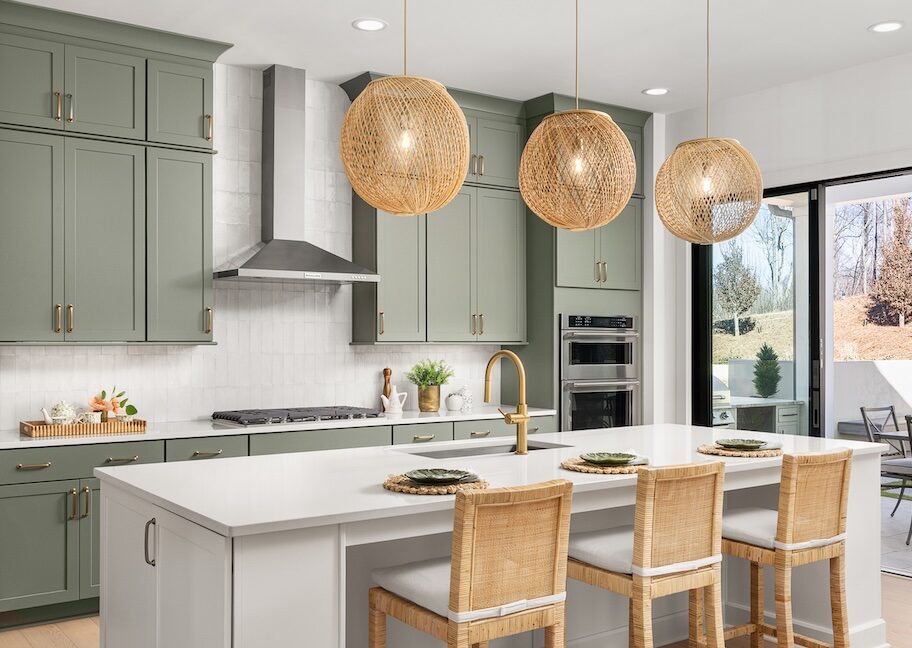

How That Upper Gap Becomes a Grease Magnet
Why Standard Cleaning Routines Miss It
Practical Problems Caused by an Open Cabinet Gap
-
Stubborn, time-consuming deep cleans: Aged grease mixed with dust bonds tightly to painted wood, laminate, or thermofoil finishes, turning a quick wipe-down into a slow degreasing job.
-
Lingering kitchen odors: Oxidized cooking oils trapped up high can hold onto stale food smells long after dinner is over, especially in poorly ventilated kitchens.
-
Clutter and visual crowding: People frequently use the ledge to store baskets, faux greenery, serving platters, or seasonal decor, which traps even more dust and makes the ceiling line feel choppy and busy.
-
Extra shelter for pests: Warmth, food-related airborne particles, and tucked-away corners around trim or decor can make neglected upper ledges appealing hiding spots for small insects or spiders.
-
Finish wear over the years: Repeated exposure to heavy grease and harsh scrubbing or strong solvents later on can dull cabinet finishes or loosen edge banding near heat and moisture.
Why Many Kitchens Still Have the Gap
Smart Ways to Deal With the Space Above Cabinets
Closing the Gap During a Remodel or Build
Managing an Existing Open Gap Without Major Construction
-
Skip clutter on top of the cabinets: Avoid placing loose baskets, fabric bins, or sprawling faux plants on the ledge, since they catch dust and make cleaning awkward.
-
Use a washable liner or wax barrier where appropriate: On smooth, sealed surfaces out of sight, a removable liner or light protective coat can make periodic cleanup simpler—just be careful not to use anything flammable near heat sources or create a hazard around lighting.
-
Run your range hood consistently: Turn the exhaust fan on before you start cooking, keep it running for several minutes after you finish, and clean or replace grease filters regularly so less mist reaches the ceiling.
-
Schedule a seasonal degreasing pass: Wipe the tops of the cabinets every few months using a mild degreaser or warm soapy water rather than waiting years for thick residue to cure.

Comments are closed.