
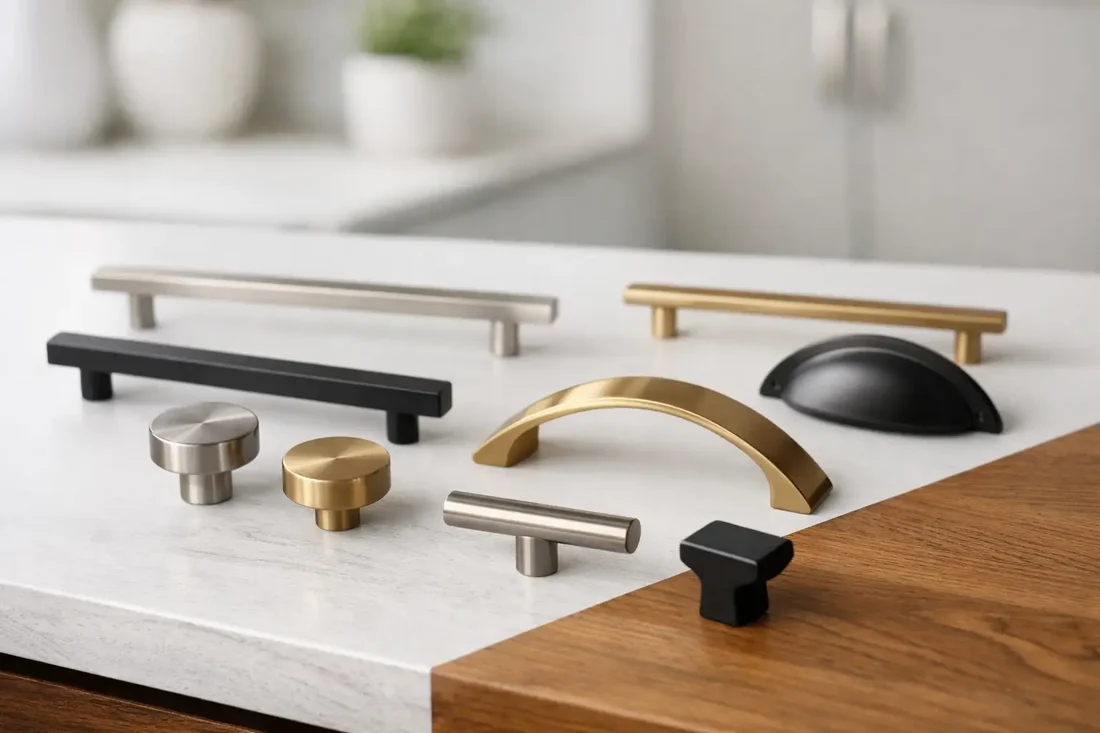

Upgrading cabinet hardware is one of the most effective ways to transform the overall look and functional quality of a kitchen, bathroom, or custom cabinetry build. Cabinet knobs and pulls serve as both daily functional contact points and essential aesthetic accents. Choosing the wrong size, material, or style can create visual disharmony and physical inconvenience during daily use.
This comprehensive guide breaks down everything you need to know about choosing, sizing, and installing cabinet hardware, ensuring your selection balances durability, ergonomics, and visual appeal.
Understanding Cabinet Hardware Basics
Cabinet hardware primarily consists of two categories: knobs and pulls. While both perform the basic task of opening cabinet doors and drawers, their installation requirements, physical interaction, and visual impact differ significantly.
-
Cabinet Knobs: Small, single-screw hardware pieces typically mounted on cabinet doors. They offer a compact footprint and are generally simpler to install and replace.
-
Cabinet Pulls: Hardware pieces requiring two mounting holes, creating a handle structure that allows multiple fingers or an entire hand to grip the fixture. They provide superior leverage for heavier doors and drawers.
Selecting between or combining these hardware types requires evaluating how each cabinet door and drawer operates in your space.
Knobs vs Pulls: Functional and Aesthetic Differences
Deciding whether to use knobs, pulls, or a combination of both across your cabinetry depends on ergonomic preference, drawer weight, and design objectives.
When to Use Knobs
Knobs are ideal for upper wall cabinets, small drawers, and cabinet doors that open with minimal effort. Because they utilize a single anchor point, they maintain a understated presence that allows detailed cabinet door profiles to remain the visual focal point.
-
Best Applications: Upper cabinet doors, pantry doors, small accent drawers, and vanity doors.
-
Ergonomic Considerations: Knobs require a pinch grip using your thumb and index finger. They are lightweight to operate but offer less leverage on heavy pull-out bins or wide drawers.
When to Use Pulls
Pulls are best suited for lower base cabinets, heavy drawers, and integrated appliance panels. They allow a full hand grip, distributing the pulling force evenly across the hand and wrist.
-
Best Applications: Deep pot drawers, heavy trash pull-outs, wide silverware drawers, and base cabinet doors.
-
Ergonomic Considerations: Pulls provide maximum leverage, making them far easier to use for individuals with joint pain, arthritis, or limited grip strength.
The Hybrid Approach
A widely adopted design convention combines knobs on upper cabinet doors with pulls on lower drawers and base doors. This maintains visual balance by keeping upper vertical surfaces lightweight while delivering practical functionality on heavy lower storage units.
Sizing and Proportion Guidelines
Choosing the correct scale for cabinet hardware prevents your cabinetry from looking overwhelmed or undersized. Sizing revolves around two key factors: overall length and center-to-center distance.
Center-to-center distance refers to the exact spacing between the centers of the two screw holes required for a pull. Standard industry measurements are typically expressed in millimeters or inches.
Standard Center to Center Spacing
The most common standard center-to-center measurements for cabinet pulls include:
-
3 Inches (76 mm): Traditional standard size for smaller cabinet drawers and compact doors.
-
3 and 3/4 Inches (96 mm): Modern standard sizing suitable for standard 15-inch to 24-inch cabinet drawers.
-
5 Inches (128 mm): Popular length for medium to wide drawers offering a contemporary look.
-
6 to 8 Inches (160 mm to 203 mm): Extended length pulls designed for wide drawers measuring 24 inches to 36 inches.
-
12 Inches and Larger: Appliance pulls and oversized drawer pulls used for built-in refrigerators, dishwashers, or full-height pantry doors.
Sizing Rules for Drawers
To maintain visually pleasing proportions, use the rule of thirds. A drawer pull should measure roughly one-third of the total width of the drawer front.
-
Small Drawers (Under 18 inches wide): Use a single pull between 3 inches and 5 inches long, or a single knob centered on the panel.
-
Medium Drawers (18 to 30 inches wide): Use a single pull between 5 inches and 8 inches long, or two smaller knobs evenly spaced.
-
Large Drawers (Over 30 inches wide): Install a single long pull measuring 8 inches to 12 inches, or position two matching pulls spaced equally across the drawer front.
Door Placement Standards
For upper cabinet doors, knobs or the bottom base of a pull are typically positioned 2 inches to 2 and a half inches from the bottom edge of the door frame, mounted on the side opposite the hinges.
For lower base cabinet doors, hardware is placed 2 inches to 2 and a half inches from the top edge of the door frame.
Hardware Materials and Construction Quality
The underlying material of cabinet hardware dictates its weight, physical durability, resistance to corrosion, and tactile feel.
-
Solid Brass: The gold standard for cabinet hardware. Solid brass offers exceptional weight, natural corrosion resistance, and high structural integrity. It accepts various plated and hand-rubbed finishes exceptionally well.
-
Stainless Steel: Highly durable and naturally resistant to rust, moisture, and staining. Excellent choice for high-humidity environments like bathrooms and outdoor kitchens.
-
Zinc Alloy (Zamak): A cost-effective metal composite widely used in standard hardware manufacturing. While lighter than solid brass, quality zinc alloy pieces offer good durability when properly electroplated.
-
Bronze: Heavy, dense material often finished with oil-rubbed patinas. Ideal for traditional, rustic, or historical architectural styles.
-
Cast Iron: Offers an authentic, raw texture suitable for industrial or rustic farmhouse designs. Requires proper sealant coating to prevent rusting in damp environments.
Popular Finishes and Style Compatibility
The finish of your hardware links your cabinetry visually to lighting fixtures, plumbing hardware, and nearby architectural elements.
Brushed Nickel and Satin Nickel
Featuring a soft, muted metallic sheen with subtle brush lines, nickel finishes resist fingerprints and water spots. They pair seamlessly with traditional, transitional, and contemporary kitchens.
Matte Black
Matte black delivers high visual contrast when installed against white or light-colored cabinetry. It provides a clean, grounding accent that works equally well in modern industrial, modern farmhouse, and minimalist settings.
Polished Chrome and Polished Nickel
Polished chrome offers a bright, cool mirror finish with high reflectivity and durability. Polished nickel features a slightly warmer undertone, delivering an elegant look suitable for traditional and classic spaces.
Satin Brass and Champagne Bronze
Warm metallic tones add depth and richness to dark navy, forest green, or natural wood cabinetry. Modern satin brass finishes feature muted tones rather than the high-gloss yellow brass popular in past decades.
Frequently Asked Questions
Can appliance pulls be installed on standard cabinet doors?
Appliance pulls are designed with reinforced mounting posts and thicker gauge screws to handle the high resistance of heavy appliance doors. While they can physically be mounted on standard cabinet doors, their heavy scale and mounting hardware may over-stress standard cabinet door frames, requiring custom reinforcement behind the door panel.
How do backplates affect cabinet hardware installation and longevity?
Backplates sit flat between the hardware base and the cabinet surface. They protect wood and painted surfaces from fingernail scratches, cover existing screw holes or finish damage, and add traditional decorative detail to knobs and pulls.
What is the difference between solid brass and hollow brass hardware?
Solid brass is forged or machined from solid metal stock, delivering a dense weight, smooth threads, and long service life. Hollow brass hardware uses thin stamped metal shell construction, making it lighter, less rigid, and more susceptible to denting or thread stripping during tight installation.
How do environmental conditions like humidity impact hardware finish lifespan?
High humidity levels accelerate oxidation on unlacquered raw metals and lower-quality plated alloys. Bathrooms and coastal kitchens benefit from living finishes that age naturally, or high-durability coatings such as physical vapor deposition finishes and stainless steel.
Are template tools necessary for drilling holes during hardware installation?
Using an adjustable hardware installation template ensures consistent alignment across all cabinet doors and drawers. It eliminates manual measurement errors, prevents crooked hole placement, and significantly speeds up the installation process.
How do edge pulls differ from traditional cabinet pulls in function and mounting?
Edge pulls mount directly to the top edge of lower doors or side edge of upper doors, extending minimally past the surface. They offer a seamless profile suitable for modern handle-free cabinetry designs and attach via short screws into the back of the door panel.
What maintenance routine preserves lacquered versus unlacquered brass finishes?
Lacquered brass requires only soft microfiber cleaning with mild warm soapy water, avoiding harsh chemicals or abrasive pads that can wear away the clear protective topcoat. Unlacquered brass naturally develops a patina over time and can either be left to age naturally or periodically restored with specialized brass polish.

Comments are closed.