
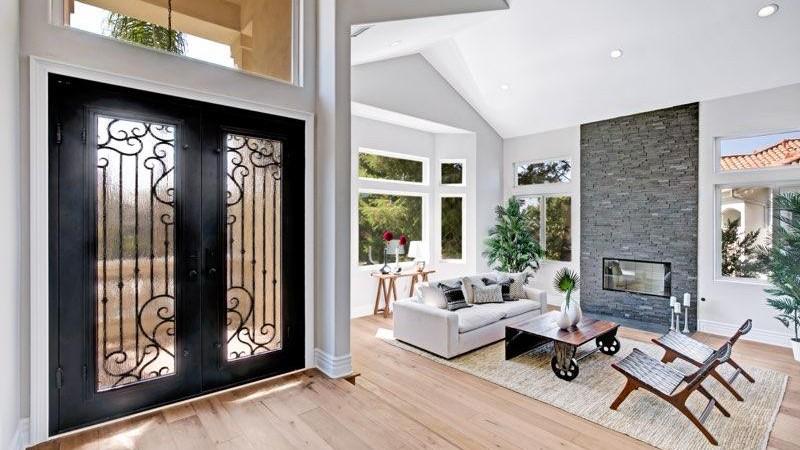

Your front door does more than provide a way into your home. It shapes the first impression visitors get, helps protect the entryway, and affects how comfortable the space feels inside. If you are building a home or replacing an aging door, a wrought iron design may be worth considering for its strength and distinctive appearance.
The best choice depends on more than the material alone. Glass, hardware, finish, frame construction, and installation all affect how a door performs. For homeowners exploring iron doors Riverside, it helps to understand both the advantages of wrought iron and the details to check before ordering.
1. A Stronger Entryway
Strength is one of the main reasons homeowners choose wrought iron doors. A well-built iron door can provide a substantial barrier at the front of a home, particularly when paired with a sturdy frame, quality locks, and properly installed hinges.
That does not make any door impossible to force open. Security depends on the complete entry system, including the lockset, strike plate, surrounding wall, and any glass panels. An impressive door will offer less protection if its frame is poorly anchored or its hardware is weak.
When comparing options, ask how the frame is secured, what type of glass is used, and whether the door supports the locking hardware you want. These practical details matter more than the weight of the door by itself.
2. A Distinctive First Impression
A wrought iron door can become a defining feature of your home’s exterior. Its shape, proportions, and metalwork draw attention to the entrance, while glass panels can bring light into a foyer that might otherwise feel dark.
There is considerable room to match the door to the house. Simple lines can suit a contemporary exterior, while scrollwork or arched panels may complement a more traditional design. The finish also changes the effect. A dark matte surface can look restrained and modern; a textured finish can add depth to the metalwork.
The most successful design usually reflects features already present on the home. Consider the roofline, windows, exterior lighting, and surrounding materials before choosing a pattern. A door should make the entrance feel intentional, even when it serves as a focal point.
3. Options That Fit Your Home
A custom door gives you control over details that are difficult to achieve with a standard model. Depending on the manufacturer, you may be able to choose the size, panel layout, ironwork, finish, glass texture, and hardware.
Many homeowners choose to work with specialized fabricators to get the exact look they want. Working with a dedicated manufacturer makes it easy to select custom glass textures and specific iron finishes. You can find options for these customized designs at https://irondoorsforever.com/ to see how different styles fit your home. This process helps you get a door that matches your personal style. A good design fits well with the rest of your home’s exterior.
Customization helps with more than appearance. It can help when an entry has an unusual opening, needs a particular swing direction, or would benefit from sidelights. Before placing an order, confirm the measurements and review drawings that show how the finished door will sit within the existing opening.
4. Durability With Proper Care
A quality iron door is built for frequent use and can remain an attractive part of the home for many years. Its long-term condition, however, depends on the finish, exposure to weather, and regular maintenance.
Iron can corrode if its protective coating is damaged and moisture reaches the metal. Inspect the door periodically, especially around joints, the lower edge, and any areas where the finish has been scratched. Cleaning with products recommended by the manufacturer and addressing chips promptly can help protect its appearance.
Your location also matters. A sheltered entry may place fewer demands on the finish than a doorway exposed to driving rain or coastal air. Ask the supplier which coating and maintenance routine are suitable for your climate. This gives you a more useful measure of durability than a broad promise that the door will withstand any conditions.
5. Potential Appeal to Future Buyers
The front entrance has a strong influence on how a home looks from the street. An iron door that suits the architecture and is kept in good condition may make the property more memorable to prospective buyers.
That does not mean a new door will automatically raise the sale price by a set amount. Buyers will consider the whole property, and tastes vary. An ornate design that looks striking on one home may feel out of place on another.
If resale appeal is part of your decision, choose proportions and finishes that work with the house. Keep the entrance easy to use and maintain. A door that looks attractive, closes smoothly, and shows no signs of rust is more persuasive than one chosen solely to make a bold statement.
6. Better Weather Protection When Properly Built and Installed
A front door must help keep rain and drafts outside. Some wrought iron door systems include features such as sealed glass, weatherstripping, a door sweep, and a threshold designed to direct water away from the opening. These features vary by product, so confirm what the specific door includes.
Installation is just as important as the door’s design. The unit needs to fit the opening, sit level, close correctly, and be sealed where the frame meets the wall. Poor fitting can allow air or water through even when the door itself is well made.
Because iron doors can be heavy and some entrances require changes to the frame, installation is not always a simple slide-in job. Ask an experienced installer to assess the opening before you order. They can identify whether the existing structure needs preparation and explain how the entry will be sealed against the weather.
7. Comfort and Energy Performance With the Right Specifications
An entry door plays a part in keeping indoor temperatures comfortable, but iron itself conducts heat. For that reason, it is inaccurate to assume every wrought iron door is energy efficient. Performance depends on the construction of the entire door system.
If comfort is a priority, ask about insulated construction, thermal breaks, the glass specification, and the seals around the door. A thermal break helps reduce heat transfer through metal components. Well-fitted weatherstripping helps limit drafts, while suitable glazing can improve comfort near an entry with large glass panels.
Think about your climate and the door’s position, too. A doorway exposed to strong afternoon sun may have different needs from one in a cold, shaded location. Review the product’s available performance information and discuss it with the supplier rather than relying on a general claim about energy savings.
What to Check Before You Buy
Wrought iron doors offer several appealing benefits, but the details determine whether a particular door is right for your home. Start with accurate measurements and a clear idea of the style you want. Then ask the supplier about frame construction, locks, glass, finish, weather seals, maintenance, and warranty coverage.
It is also worth getting the installation requirements in writing. Confirm who will check the opening, handle any needed adjustments, install the door, and address a fit or sealing problem afterward. These questions can prevent an attractive purchase from becoming a frustrating project.
A carefully selected wrought iron door can add character, provide a strong entryway, and serve your home well over time. Choose one that fits the building, suits your climate, and has the construction and installation quality to support the benefits you expect.

Comments are closed.