
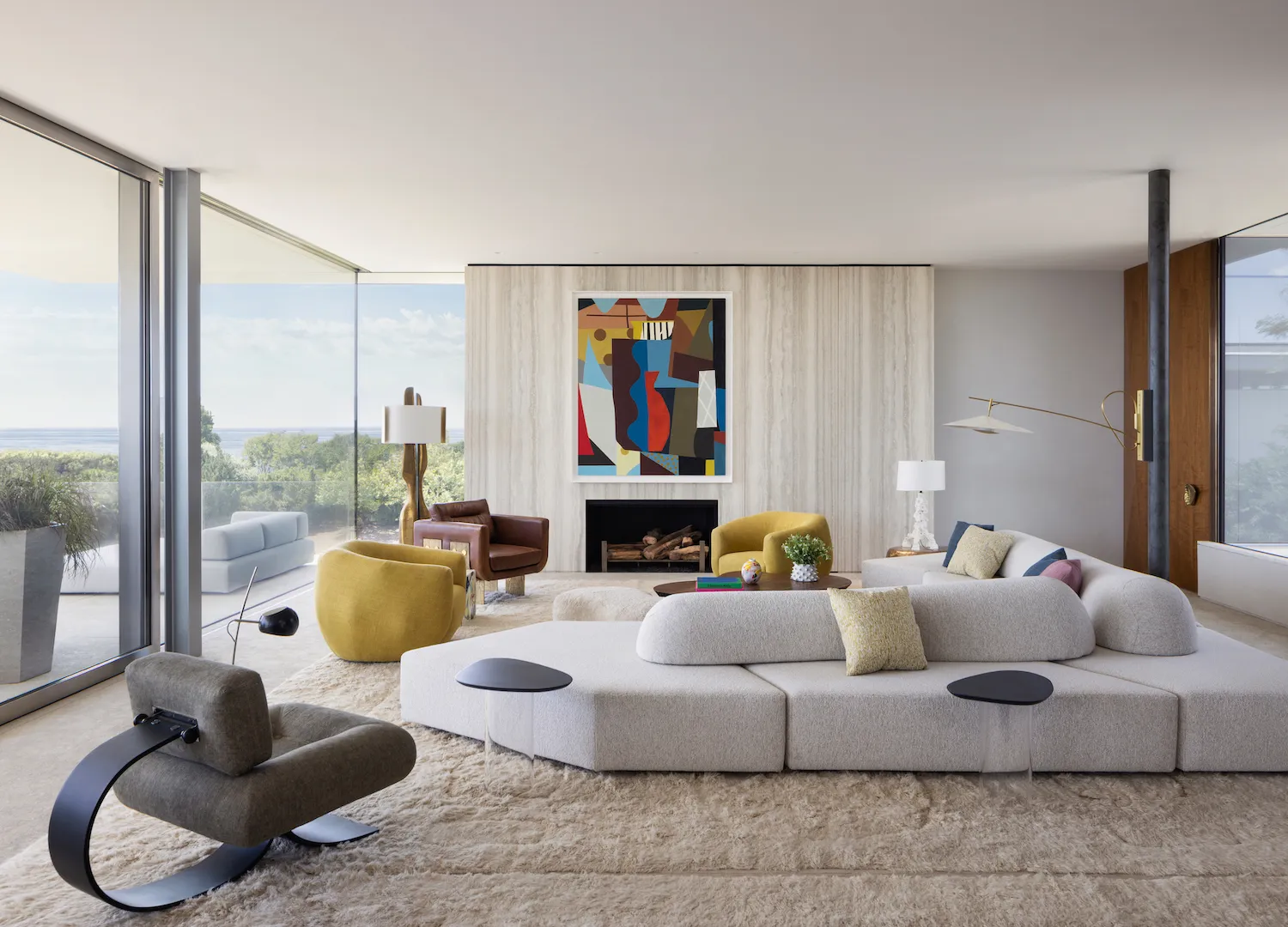

Furniture is one of the biggest investments people make in their homes, yet it’s often the most neglected when it comes to protection. Whether you have a plush sofa in your living room or an elegant outdoor lounge set on your patio, exposure to dust, sunlight, spills, and everyday wear can quickly diminish its appearance and lifespan. This is where furniture covers step in as a simple, cost-effective solution that keeps your pieces looking new for years to come.
The Hidden Cost of Unprotected Furniture
Many homeowners don’t realize how much damage accumulates silently over time. Sunlight fades fabric and leather, turning vibrant colors dull and lifeless. Dust settles into fibers, causing allergens to build up. Spills from food, drinks, or pets can leave permanent stains if not addressed quickly. And in regions with harsh climates — like the intense heat and sandstorms common in the Gulf — outdoor furniture faces an even tougher battle against the elements.
Replacing furniture is expensive, and reupholstering can cost nearly as much as buying new pieces. A quality cover is a fraction of that price and can extend the usable life of your furniture significantly.
Indoor vs. Outdoor Furniture Covers
Not all furniture covers serve the same purpose, so it’s worth understanding the difference:
- Indoor covers are typically lighter, made from breathable fabrics like cotton blends or polyester, and are designed to protect against dust, pet hair, and minor They’re also great for households with young children or pets, offering an extra layer of stain resistance.
- Outdoor covers need to be far more They’re usually made from weatherproof materials such as polyester with a waterproof coating, or heavy-duty vinyl, designed to withstand rain, UV rays, and temperature fluctuations. A good outdoor cover should be breathable enough to prevent mold and mildew while still blocking moisture from seeping through.
Choosing the Right Cover
When selecting furniture covers, a few factors make all the difference:
- Material quality — Look for covers with reinforced stitching and UV-resistant fabric if they’ll be used
- Fit — A cover that’s too loose can blow off in windy conditions, while one that’s too tight may Custom-fit covers are ideal for irregularly shaped furniture.
- Ease of cleaning — Machine-washable covers save time and effort in
- Ventilation — Covers with small vents prevent condensation buildup, which is especially important in humid climates.
For those living in the UAE, where extreme heat and dust are daily realities, finding covers specifically designed for the regional climate matters. Suppliers like Dubai Furniture Covers specialize in offering covers tailored to withstand these tough conditions, giving homeowners peace of mind that their furniture
— indoors or out — stays protected year-round.
Practical Tips for Furniture Longevity
Beyond covers, a few simple habits can help maintain your furniture:
- Rotate cushions regularly to distribute wear
- Clean spills immediately rather than letting them
- Keep furniture out of direct, prolonged sunlight where
- Vacuum upholstery periodically to prevent dust
- Store outdoor furniture covers properly during off-seasons to extend their own
Final Thoughts
Furniture covers might seem like a minor accessory, but their impact on preserving your investment is significant. Whether you’re protecting a brand-new sectional sofa or shielding a patio dining set from seasonal weather, the right cover pays for itself many times over by delaying the need for replacement or repair. Taking a proactive approach to furniture care is one of the simplest ways to keep your home looking polished and well-maintained for years to come.
Frequently Asked Questions
1. How often should I clean my furniture covers?
Indoor covers should be cleaned every 2–4 weeks depending on household traffic, while outdoor covers benefit from a wipe-down or wash every month, especially after dusty or rainy periods.
2. Can furniture covers prevent fading from sunlight?
Yes, UV-resistant covers act as a barrier that blocks harmful rays, significantly slowing down fading and material degradation.
3. Are custom-fit covers worth the extra cost?
For furniture with unusual shapes or high-end pieces, custom-fit covers offer better protection and a more polished appearance compared to generic, one-size-fits-all options.
4. What’s the best material for outdoor furniture covers in hot climates?
Polyester with a waterproof, UV-resistant coating is ideal, as it balances durability with breathability to prevent moisture buildup underneath.
5. Do furniture covers help with allergies?
Yes. Covers reduce the amount of dust and pet dander that settles directly into upholstery, making regular cleaning easier and improving indoor air quality.
