
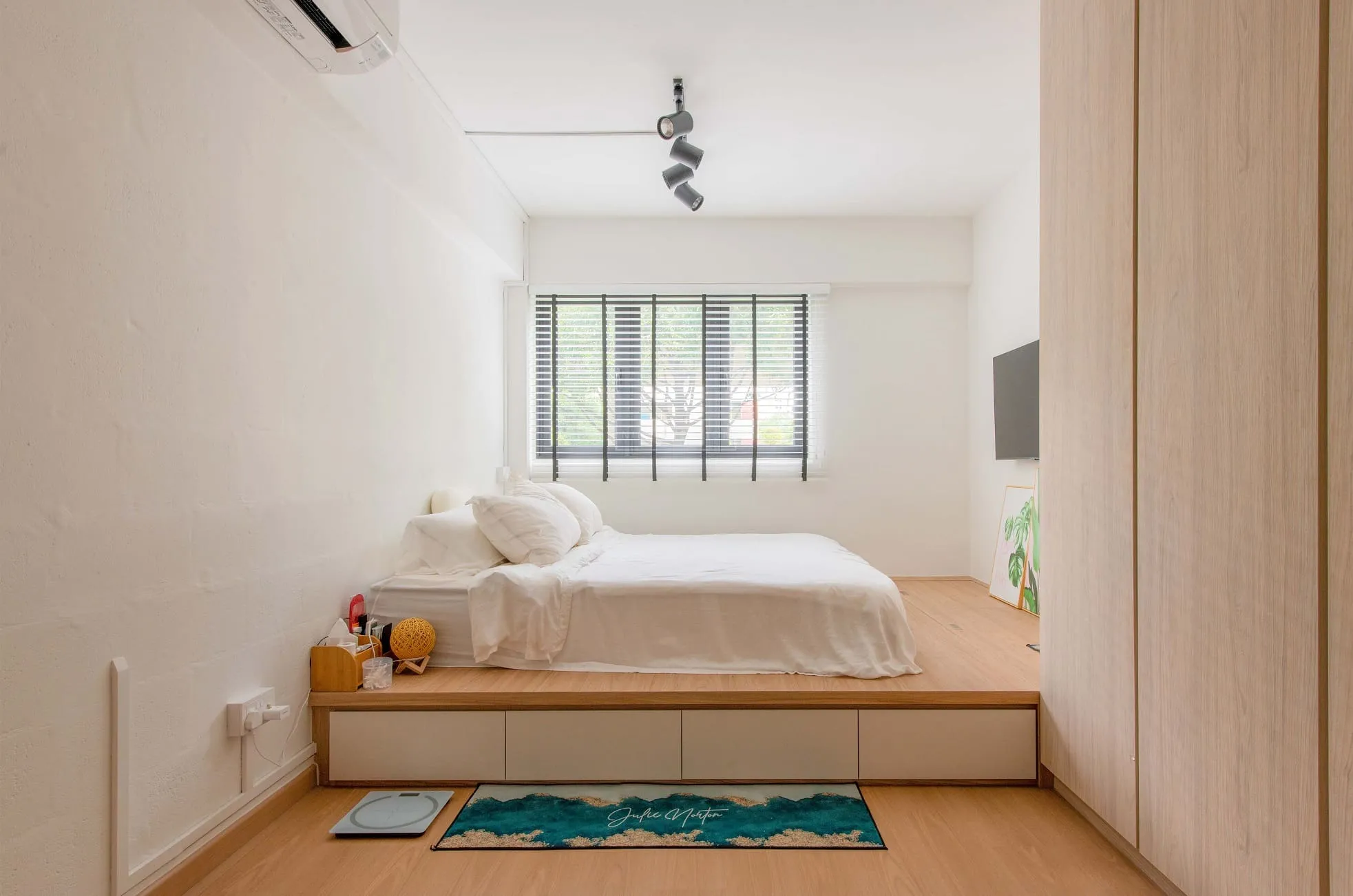

Decorating a small space can feel like walking a fine line. Add too little, and the room feels bare. Add too much, and it quickly becomes cramped and chaotic. The key is intentional design—choosing elements that add both function and style without overwhelming the space.
With smart choices and thoughtful layout, even the smallest rooms can feel open, organized, and inviting.
Start With a Clear Purpose for the Space
Before decorating, define exactly how the space will be used. A room without a clear function is more likely to collect unnecessary items.
Ask yourself:
- Is this space for relaxing, working, or entertaining?
- What furniture is truly essential?
- What can be stored out of sight?
When every item has a role, clutter naturally decreases.
Choose Furniture That Works Overtime
In small spaces, furniture should do more than one job.
Smart furniture choices include:
- Storage ottomans that double as seating
- Beds with built-in drawers
- Foldable or extendable tables
- Wall-mounted desks or shelves
Multi-functional furniture reduces the need for extra pieces, keeping the room visually clean.
Use Light Colors to Open Up the Room
Color has a powerful effect on how large a space feels. Lighter shades reflect more light, creating an airy atmosphere.
Best color strategies for small spaces:
- Soft whites, creams, and light grays for walls
- Neutral furniture with subtle contrast
- Consistent color palettes to avoid visual breaks
This doesn’t mean everything must be white—just keep bold colors as accents rather than the base.
Think Vertically, Not Horizontally
When floor space is limited, vertical space becomes your best friend.
Ways to decorate upward:
- Tall bookcases instead of wide ones
- Floating shelves above furniture
- Floor-to-ceiling curtains to draw the eye upward
- Vertical wall art arrangements
Vertical design makes ceilings appear higher and rooms feel more spacious.
Limit Decorative Items, but Make Them Count
Too many small decorations can quickly clutter a room. Instead, focus on a few statement pieces.
A cleaner approach includes:
- One large artwork instead of multiple small frames
- A single decorative centerpiece per surface
- Matching or cohesive décor styles
This creates visual impact without overwhelming the space.
Maximize Hidden Storage
Clutter often comes from items that don’t have a designated place. Hidden storage helps maintain a tidy look.
Effective hidden storage ideas:
- Baskets inside cabinets or shelves
- Under-bed storage containers
- Built-in benches with lift-up lids
- Drawer organizers for small items
When everyday items are stored neatly, surfaces stay clear.
Use Mirrors to Create the Illusion of Space
Mirrors are one of the most effective tools for decorating small areas.
Benefits of mirrors include:
- Reflecting light to brighten the room
- Making narrow spaces feel wider
- Adding depth without taking up space
Placing mirrors across from windows or light sources amplifies their effect.
Keep Pathways Clear
A clutter-free small space isn’t just about looks—it’s also about movement.
Design tips for better flow:
- Avoid blocking walkways with furniture
- Choose slim-profile pieces
- Leave breathing room between items
Clear pathways make a room feel more open and comfortable.
Stick to a Consistent Style
Mixing too many design styles in a small space creates visual noise.
Consistency helps by:
- Creating a cohesive, calming look
- Making the space feel intentional
- Preventing décor overload
Whether it’s modern, minimalist, or cozy, sticking to one theme keeps the room balanced.
Frequently Asked Questions (FAQ)
1. Can small spaces still have bold design elements?
Yes, bold elements work best when limited to one or two focal points rather than spread throughout the room.
2. How do I decorate a small space on a budget?
Focus on rearranging furniture, using paint strategically, and adding affordable storage solutions before buying new décor.
3. Is minimalism the only option for small spaces?
No, small spaces can be cozy or eclectic as long as items are curated and not overcrowded.
4. How do I avoid visual clutter on walls?
Limit wall décor to a few well-placed pieces and avoid filling every available wall space.
5. What type of lighting works best in small rooms?
Layered lighting—such as wall sconces, floor lamps, and soft overhead lights—adds depth without taking up much space.
6. Should furniture touch the walls in small rooms?
Not always. Leaving slight gaps can actually make a room feel more open and balanced.
7. How often should I reassess my décor in a small space?
Regularly reviewing and removing unused items helps maintain a clutter-free environment over time.
Decorating small spaces without clutter is all about thoughtful choices and purposeful design. When every item earns its place, even the smallest room can feel stylish, functional, and refreshingly open.

Comments are closed.