
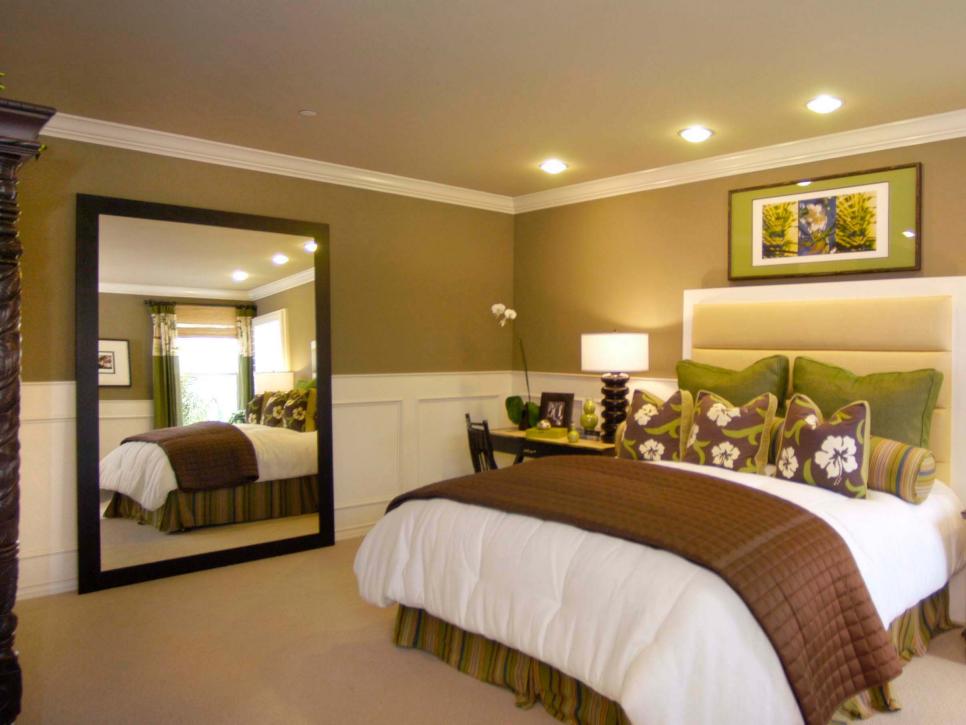

Bedroom lighting plays a vital role in modern home design, balancing functionality with ambiance. In many homes, it’s no longer just about illumination — lighting is now considered a core element of interior aesthetics and mood-setting. Whether you’re aiming to relax, read, or add flair to your décor, the way you light your bedroom matters. This article explores the main objectives of bedroom lighting: providing illumination, enhancing decor, and ensuring ease of use.
Table of Contents
TogglePurposeful Lighting in a Bedroom
The primary function of bedroom lighting is to provide adequate visibility. From dressing and grooming to reading and relaxing, practical lighting ensures your room remains usable across different activities. Once this need is met, lighting can also serve as a decorative and mood-enhancing element.
Today, lighting design in bedrooms is no longer confined to a single ceiling fixture. Homeowners are embracing layered lighting — a strategic combination of ambient, task, and accent lighting — to create depth and control over the atmosphere.
Common Types of Bedroom Lighting
Here are the most widely used types of lighting in bedrooms today:
-
Ceiling Lights: These are typically used for general, ambient lighting. Popular options include flush-mount fixtures, pendant lights, or even sleek LED panels that blend with modern minimalism. Chandeliers are still seen in more traditional or luxury interiors, but newer designs lean toward contemporary shapes and energy efficiency.
-
Table Lamps: Often placed on bedside tables, these are essential for reading and offer softer lighting than overhead sources. Smart table lamps with touch control or voice activation are now commonly preferred for their convenience.
-
Wall Sconces: These have evolved to include directional and adjustable designs, ideal for small bedrooms where table space is limited. Pull cord versions are particularly handy for nighttime use.
-
Accent Lights: These include spotlights and track lights used to highlight artwork, wardrobes, or architectural features. Dimmable LED spotlights have gained popularity for their versatility and low energy consumption.
-
Mirror or Vanity Lights: These lights, mounted around or above mirrors, offer bright, focused lighting for makeup application and grooming. Newer options feature adjustable colour temperatures to mimic natural daylight.
Bedroom Lighting as a Decorative Element
Once functionality is addressed, bedroom lighting becomes a powerful design tool. From sculptural lamps to coloured LED strips, lighting can define your room’s aesthetic and mood.
Lamps now come in a variety of materials like matte ceramics, smoky glass, rattan, and metal, catering to everything from Scandinavian to industrial design styles. Decorative lighting may include:
-
Coloured bulbs or smart RGB lighting that lets you change the mood at the push of a button.
-
Statement lighting pieces, such as artistic pendant lights or vintage-inspired sconces, that double as decor.
Using warm white light remains a top trend, as it creates a calming and cosy environment, especially important in spaces meant for rest. Conversely, cooler white tones are often reserved for functional areas like dressing corners or study desks within the bedroom.
The Benefit of the Bedroom Lighting System
One trouble with just one light inside a bedroom is its inconvenience. Unless, of course, fitted with two switches, the area comes in darkness, either before being switched on or after they’ve been turned off. Lots of people use lamps on their own nightstands or pull cord wall lamps on their wall above their headboard. They are then able to have light once the primary light is extinguished.
Another means to fix it is to have an infrared-operated light switch. This really is run by a handheld remote control, and could be used when you are having sex to change the lights. This is actually the correct way to manage your bedroom lighting.
Emerging Trends in Bedroom Lighting
The evolution of home lighting now includes technologies and ideas that were once considered futuristic:
-
Smart Lighting Systems: These integrate with mobile apps or home assistants like Alexa and Google Home, allowing you to control brightness, warmth, and colour through voice or automation routines.
-
Circadian Rhythm Lighting: These systems adjust brightness and temperature based on the time of day, promoting better sleep and overall well-being by mimicking natural light cycles.
-
Minimalist Fixtures with Maximum Impact: Sleek linear lights, recessed LEDs, or invisible track lighting provide powerful illumination without cluttering the ceiling or walls.
-
Sustainable and Energy-Efficient Solutions: LED technology continues to dominate with options that consume significantly less power and last far longer than traditional bulbs. Many consumers are also prioritising recyclable materials and eco-friendly manufacturing when choosing lighting fixtures.
Tips for Creating the Perfect Lighting Setup in Your Bedroom
-
Layer your lighting: Combine ambient, task, and accent lighting for complete control over your bedroom’s mood and usability.
-
Invest in dimmers: They allow you to transition from bright morning prep to calm bedtime reading.
-
Choose the right bulbs: Warm white (2700K–3000K) is best for comfort and relaxation, while neutral white (3500K–4100K) can enhance productivity in multi-functional bedrooms.
-
Prioritise switch accessibility: Whether it’s bedside pull cords, touch lamps, or remote-controlled lighting, ease of use is key.
Final Thoughts
Modern bedroom lighting is more than just functional — it’s foundational to the comfort, usability, and style of your space. By combining the right types of lighting with intuitive controls and aesthetic choices, you can transform a simple room into a restful sanctuary that works for every part of your day.
From traditional lamps to innovative pull cord wall lamps and smart systems, today’s bedroom lighting options offer unprecedented versatility. Thoughtful lighting design not only improves visibility but also enhances how your bedroom feels and functions.
If you’re planning a revamp, consider both your practical needs and design goals — because the right lighting doesn’t just brighten your space, it elevates it.

Comments are closed.