
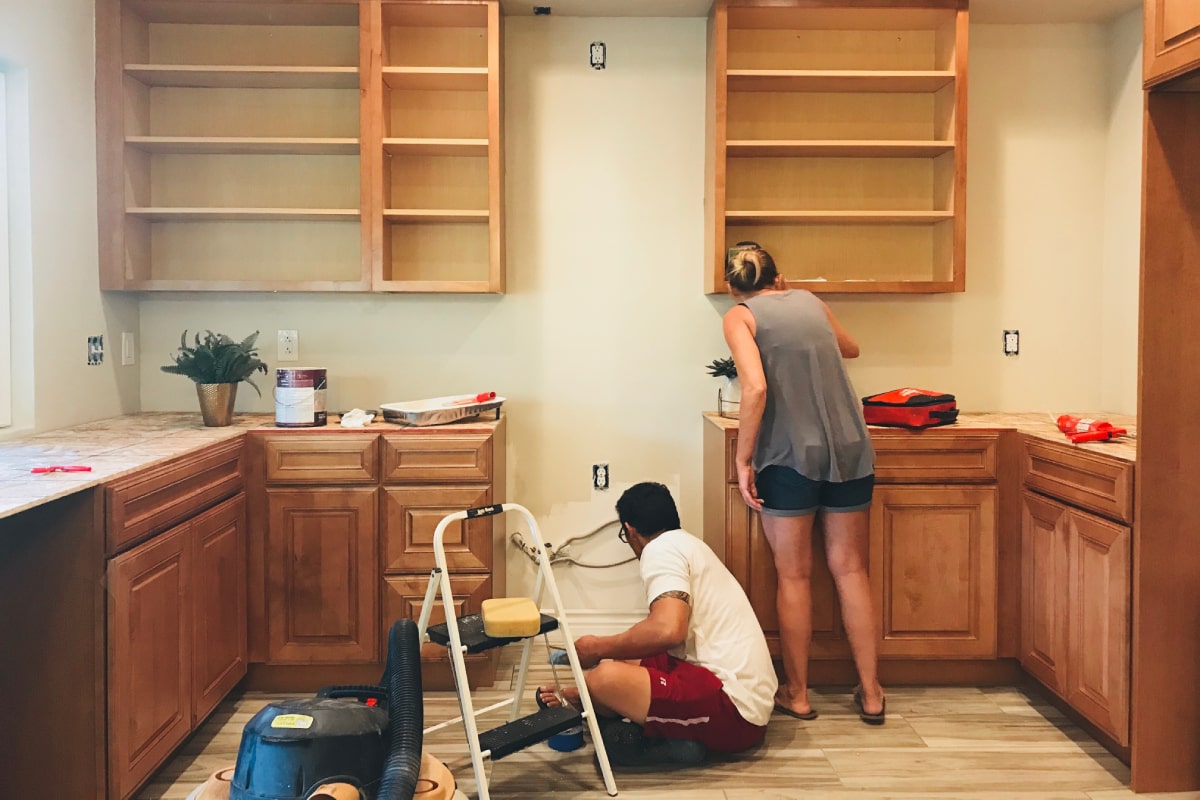

Renovating your home can be exciting—and stressful—especially when costs start creeping beyond what you planned. The good news is that staying on budget during renovation is absolutely achievable with the right strategy, clear priorities, and disciplined decision-making. This guide breaks down practical, real-world steps to help you control expenses without sacrificing quality or long-term value.
Start With a Realistic Renovation Budget
A renovation budget should be grounded in research, not guesswork. Before any work begins, understand what your project realistically costs in your area.
Key steps to set a solid budget:
- Research average renovation costs for similar homes
- Get multiple contractor estimates
- Factor in permits, inspections, and design fees
- Add a 10–20% contingency fund for unexpected issues
A realistic budget sets boundaries and prevents emotional overspending later.
Define Your Priorities Clearly
Not every upgrade delivers equal value. Decide early where you’re willing to spend—and where you’re not.
Ask yourself:
- What improvements are essential versus optional?
- Which upgrades add long-term value to the home?
- Where can cosmetic changes replace structural ones?
Focus spending on high-impact areas like kitchens, bathrooms, and essential repairs while limiting purely decorative upgrades.
Plan Everything Before Demolition Starts
Last-minute decisions are one of the biggest budget killers in renovations. Changes mid-project often mean rework, delays, and extra labor costs.
Before starting:
- Finalize layouts, materials, and finishes
- Approve drawings and measurements
- Lock in timelines with contractors
- Order long-lead materials in advance
Detailed planning upfront saves thousands later.
Get Multiple Quotes and Compare Carefully
Never settle for the first estimate. Comparing quotes helps you spot inflated pricing and understand what’s truly included.
When reviewing contractor bids:
- Compare line-by-line, not just total cost
- Confirm labor, materials, and cleanup are included
- Ask about warranties and post-project support
- Be cautious of quotes that seem unusually low
Transparency matters more than the cheapest price.
Track Expenses in Real Time
A renovation budget isn’t “set and forget.” You need to monitor spending as the project progresses.
Effective tracking tips:
- Use a spreadsheet or budgeting app
- Record every expense immediately
- Separate labor, materials, and contingency costs
- Review totals weekly
Real-time tracking gives you early warning before overspending spirals out of control.
Avoid Scope Creep
Scope creep happens when small upgrades pile up—better tiles, extra lighting, upgraded fixtures—until your budget quietly explodes.
To prevent it:
- Stick to the original renovation plan
- Require written approval for any changes
- Ask for cost impact before saying yes
- Remind yourself of your financial limits
Every “small upgrade” adds up faster than you think.
Reuse, Refurbish, and Repurpose Where Possible
Not everything needs to be brand new. Smart reuse can dramatically cut costs without compromising style.
Cost-saving ideas:
- Refinish cabinets instead of replacing them
- Restore hardwood floors instead of installing new ones
- Reuse appliances that are still efficient
- Shop reclaimed or surplus building materials
Refurbishing often delivers the best return on investment.
Time Your Renovation Strategically
Timing can influence labor rates and material availability. Renovating during peak seasons often costs more.
Budget-friendly timing strategies:
- Schedule work during off-peak months
- Avoid rush timelines that increase labor costs
- Coordinate trades efficiently to reduce downtime
A flexible schedule often means lower overall costs.
Communicate Constantly With Your Contractor
Clear communication prevents misunderstandings that lead to expensive mistakes.
Make sure you:
- Hold regular progress check-ins
- Confirm changes in writing
- Ask questions when something seems unclear
- Review invoices carefully before paying
Strong communication protects both your budget and your sanity.
Know When to DIY—and When Not To
DIY can save money, but only if done right. Poor workmanship often leads to costly repairs later.
Good DIY candidates:
- Painting and basic finishing
- Demolition (if safe and permitted)
- Simple fixture replacements
Leave professionals to:
- Electrical and plumbing work
- Structural changes
- Waterproofing and insulation
Saving money should never compromise safety or code compliance.
Final Thoughts
Staying on budget during renovation isn’t about cutting corners—it’s about making informed, intentional choices. With careful planning, disciplined tracking, and clear priorities, you can complete a successful renovation without financial regret.
Frequently Asked Questions (FAQs)
1. How much contingency budget should I set aside for renovations?
A contingency fund of 10–20% of the total renovation budget is recommended to cover unexpected repairs or price fluctuations.
2. What is the biggest reason renovations go over budget?
The most common cause is scope creep, followed by poor planning and underestimating labor or material costs.
3. Is it cheaper to renovate all at once or in phases?
Renovating all at once is usually cheaper because it reduces repeated labor, permits, and setup costs.
4. How can I reduce material costs without sacrificing quality?
Compare suppliers, buy during sales, consider reclaimed materials, and choose mid-range products with proven durability.
5. Should I manage the renovation myself to save money?
Self-managing can save money if you have experience, but it can become costly if mistakes or delays occur due to inexperience.
6. Can changing the renovation timeline help reduce costs?
Yes. Renovating during off-peak seasons and avoiding rushed schedules often results in lower labor and material costs.
7. How often should I review my renovation budget?
You should review your budget weekly or after any major purchase or change to ensure spending stays on track.
If you’d like, I can also adapt this article for SEO, local markets, or publication standards.

Comments are closed.