
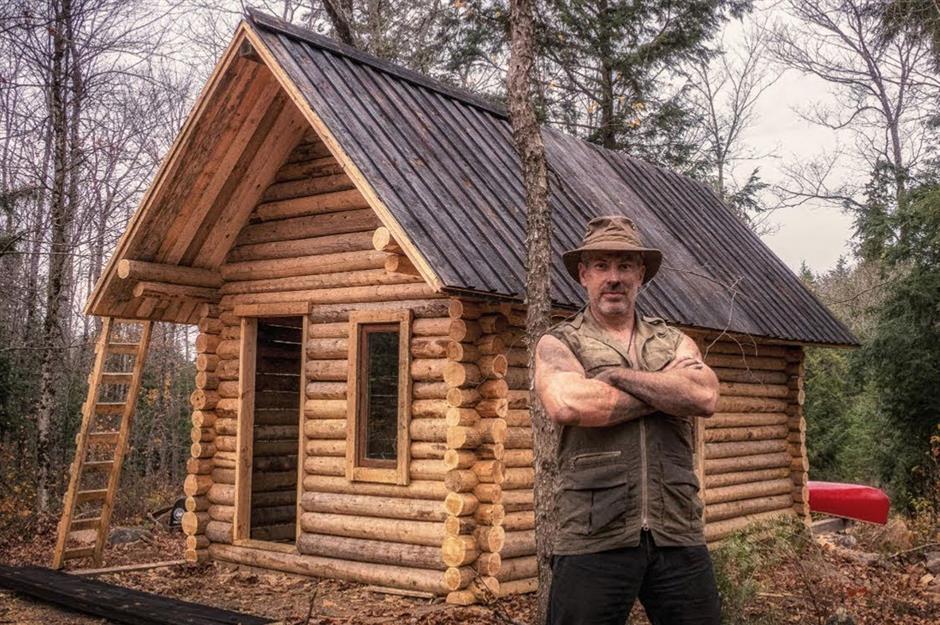

Creating self‑sustaining log cabins is both a lifestyle choice and an engineering challenge. The goal: a retreat that supports itself, using renewable energy, efficient design, and minimal reliance on public utilities. Here’s how to bring that vision to life.
1. Site Selection & Orientation
Think like nature’s architect. Choose a location with:
- Sunlight exposure—position your cabin facing south (in the Northern Hemisphere) for maximum solar gain in winter.
- Reliable water sources—proximity to streams, springs, or a borehole enables gravity-fed systems or simple pumps.
- Natural shelter—trees and land contours help buffer wind and reduce heat loss.
2. Energy Independence
A self‑sustaining cabin must generate its own power. Your toolkit should include:
- Solar panels—roof mounts or ground arrays paired with storage battery banks.
Wind or micro-hydro turbines—great additions if your site offers breeze or falling water.
- Backup generators or propane stoves—good for emergency heat or power.
Inside, choose LED lighting, and mini-split heat pumps for efficient climate control
3. Water & Waste Systems
Invest in smart, simple systems:
- Rainwater catchment—gutters lead into storage tanks with filtration for domestic use.
- Greywater reuse—use water from showers or sinks to irrigate plants.
- Composting toilets—eco-friendly and off-grid friendly.
Together, these systems dramatically reduce reliance on mains utilities.
4. Thermal Efficiency & Insulation
A cabin’s shell plays a starring role in sustainability:
- Kiln-dried logs—these are less prone to shrinking or warping, creating a tighter core.
Insulated logs and SIPs—supplement natural insulation with structural insulated panels or internal insulation layers
Double- or triple-glazed windows & sealed doors—these prevent heat escape and air leaks
Passive solar design—use stone floors or thermal mass walls to absorb heat in winter and shade in summer.
5. Renewable Heating
Heating accounts for most off-grid energy use—here’s how to minimize it:
- Woodstove or masonry heater—use sustainably-sourced timber from your property or local forestry.
- Geothermal/hydronic systems—advanced but efficient, circulating heated water through floors and walls.
- Passive solar gain and thermal mass—built into the design, these reduce dependency on active heating.
6. Food & Self‑Provisioning
Reduce food miles and boost cabin self-reliance:
- Vegetable gardens & raised beds—focus on crops suited to your climate.
- Greenhouse or cold frames—extend growing seasons.
- Orchards, berry patches, chickens—add diversity and resilience.
Gardening provides fresh produce, mental stimulation, and seasonal variety.
7. Materials & Finishings
Aim for locally sourced, natural, low‑toxicity materials:
- Pressure-treated base logs resist rot where wood meets soil
- Natural insulation—wool, cork, hemp—and non-toxic sealants and finishes preserve air quality.
- Stone or local timber trim helps blend your cabin with its landscape, boosting both aesthetics and function.
8. Smart Systems & Monitoring
Smart tech connects luxury with sustainability:
- Sensors & automations—track solar output, battery levels, humidity, and stove heat.
- Remote monitoring—check systems from anywhere via smartphone.
- Alerts—warn you of issues like leaks, generator faults, or low battery.
This tech improves peace of mind and system efficiency.
9. Planning & Permits
Regulations differ by region, but generally:
- Small garden cabins may be exempt, while off-grid dwellings often need planning permission.
- Engage an architect or planning consultant early to navigate site access, micro-generation permits, and septic regulations.
Proper compliance ensures legal safety and peace of mind.
10. Maintenance & Lifestyle
A self-sustaining cabin is low-barrier—but not zero-maintenance:
- Keep solar panels, gutters, and filters clean.
- Inspect log walls, roof, seals, and stoves each season.
- Rotate stove chimney flues for creosote, and service pumps & batteries
- Build a rhythm—seasonal routines become part of the cabin’s charm.
A self-sustaining log cabin isn’t just about individual independence—it’s about resilience and responsibility. Whether your motivation is environmental, economic, or personal peace, these cabins prove that sustainable living is both feasible and deeply rewarding.

Comments are closed.